In development
iKaruProject
Turn it. Open it to its grain. See whether it keeps its world open.
An app for understanding how technical objects work, made for teaching, with a corner for young children: a museum one can enter, a globe of two worlds and seven eras, thirteen cabins, 156 objects on its globe, and games.
I · The world
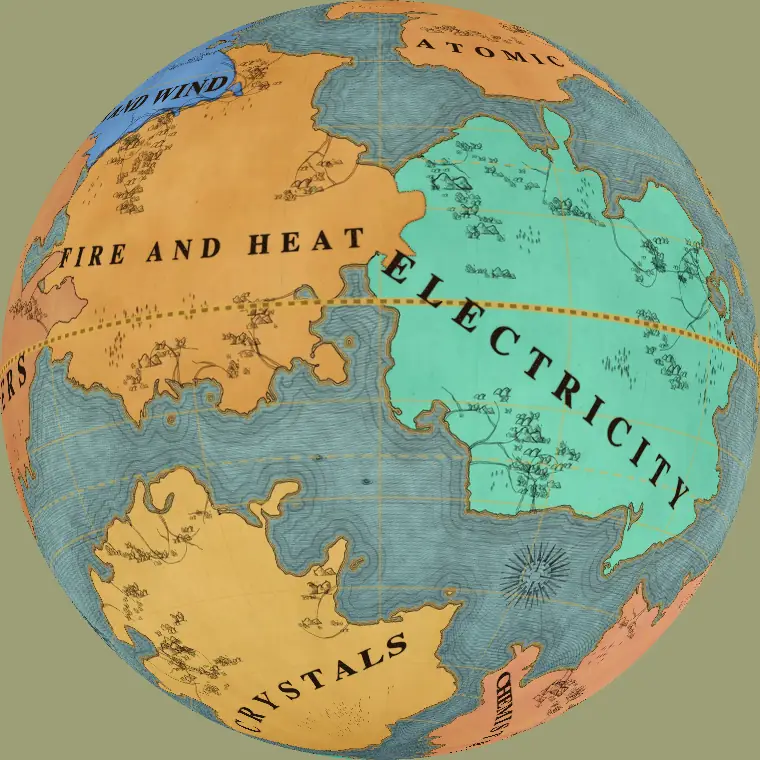
Technotopia Objects as beings 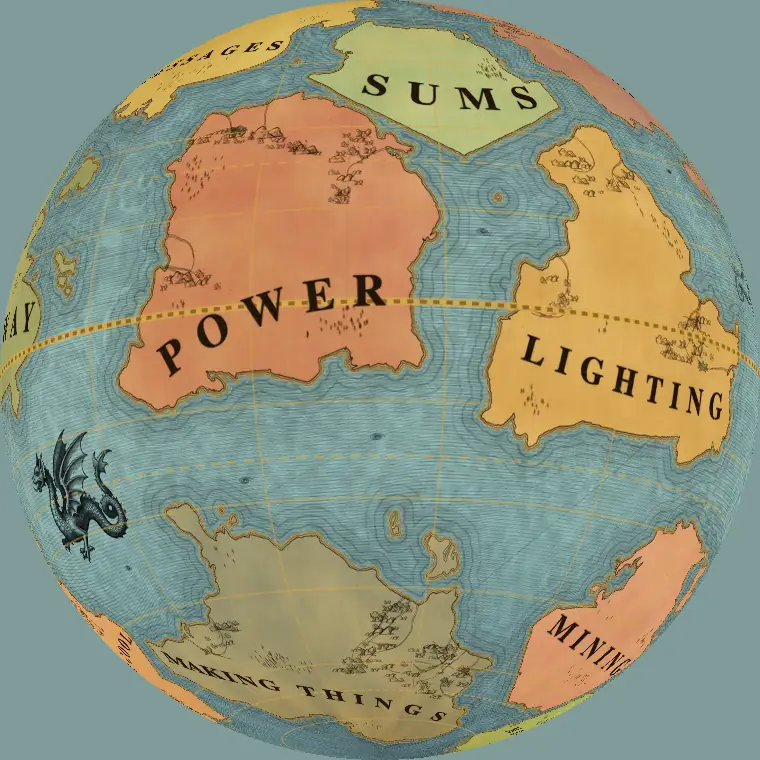
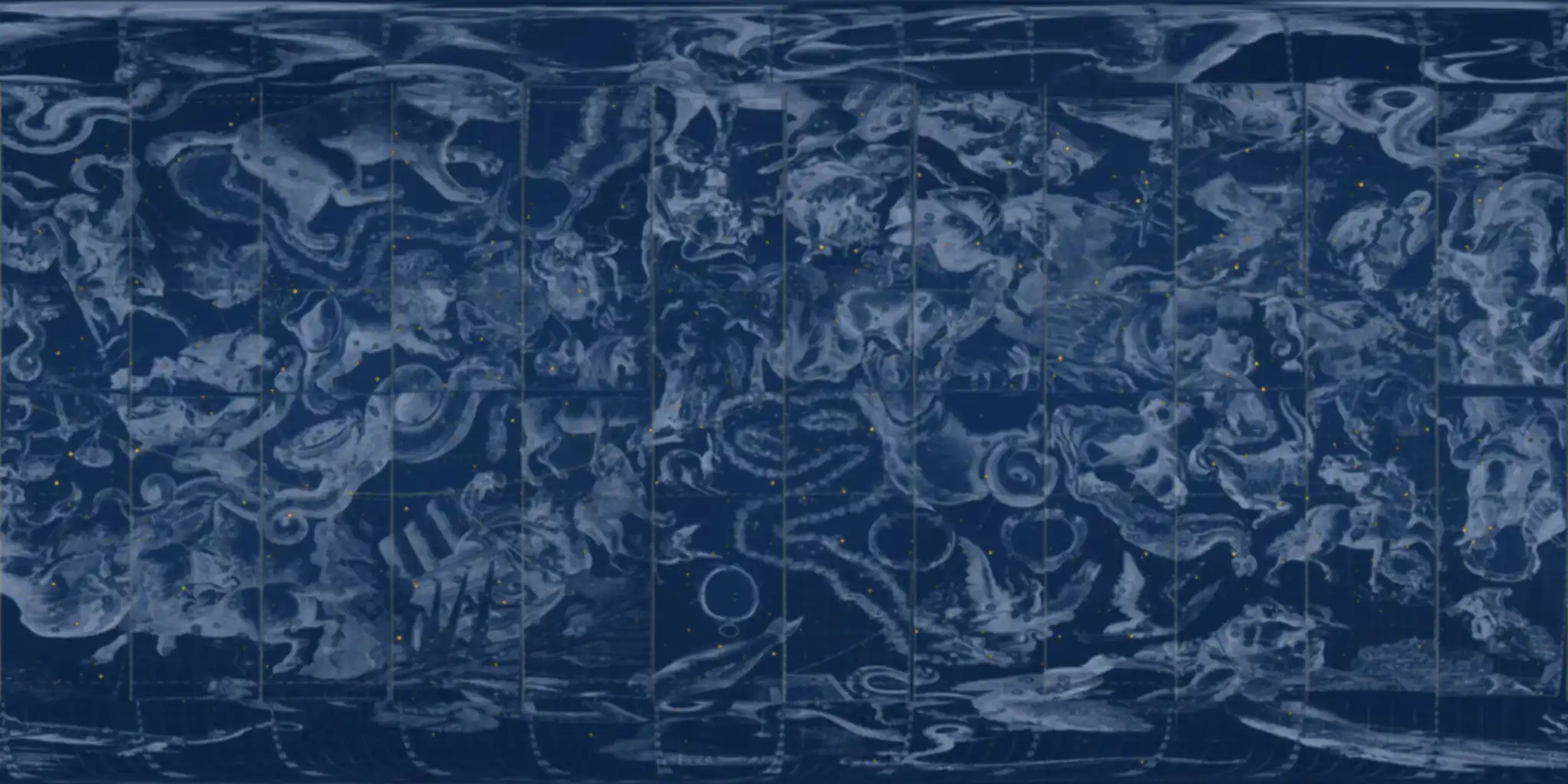
Terra Objects as slaves One globe, seen twice. Seen from a machine it is Technotopia: the objects sorted by how they work inside, on 11 continents of operations. Seen from a human it is Terra: the same objects sorted by what they serve, on 13 islands of use.
II · Seven eras
Seven globes, one for each era
Turn the dial back: on Technotopia the continents whose way of working did not exist yet sink under the sea, and rise again as one comes forward.
- Antiquity
- Middle Ages
- 16th-17th century
- 18th century
- 19th century
- 20th century
- Today
III · Thirteen cabins
Thirteen cabins
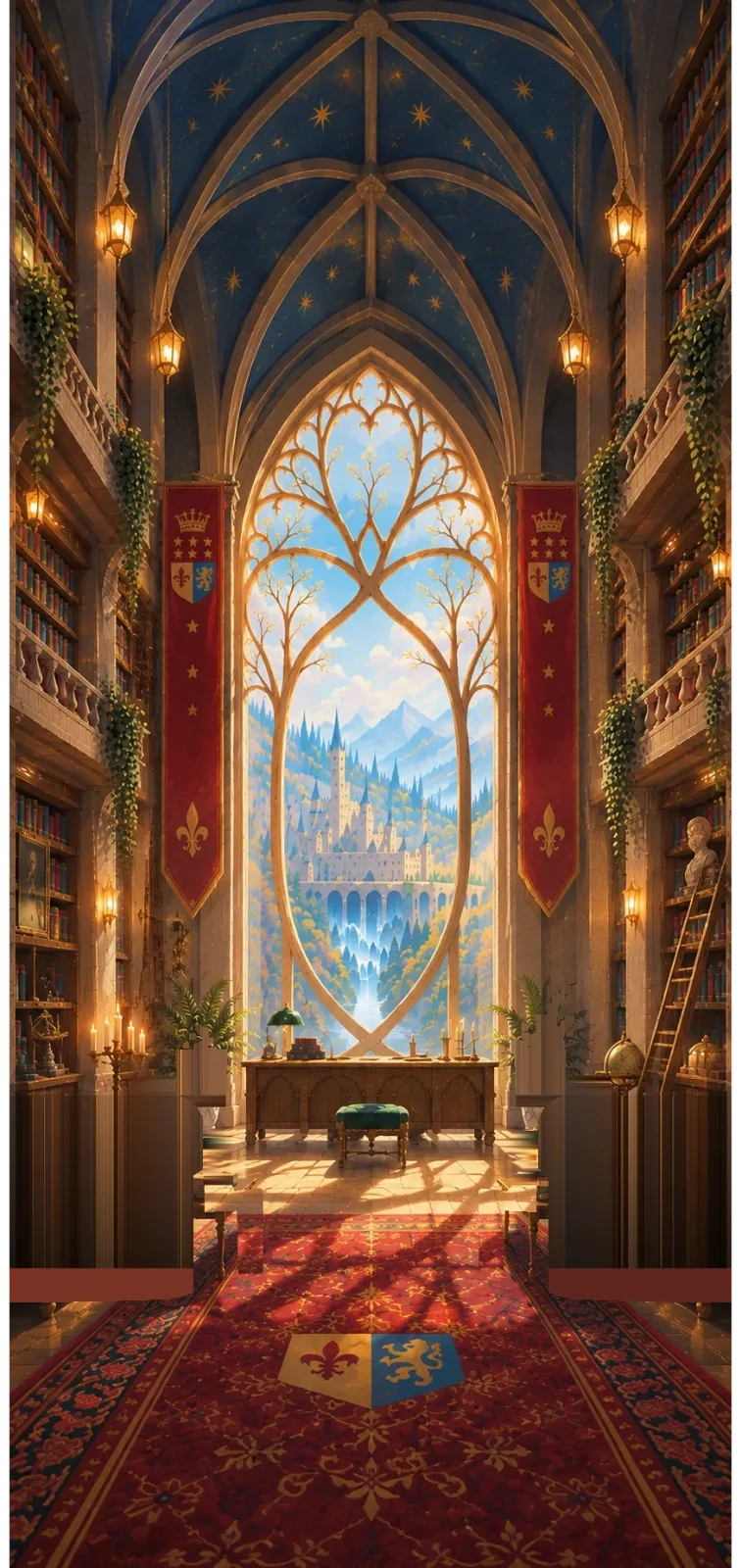
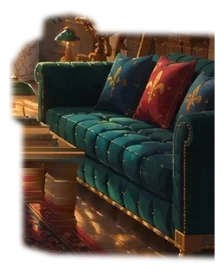
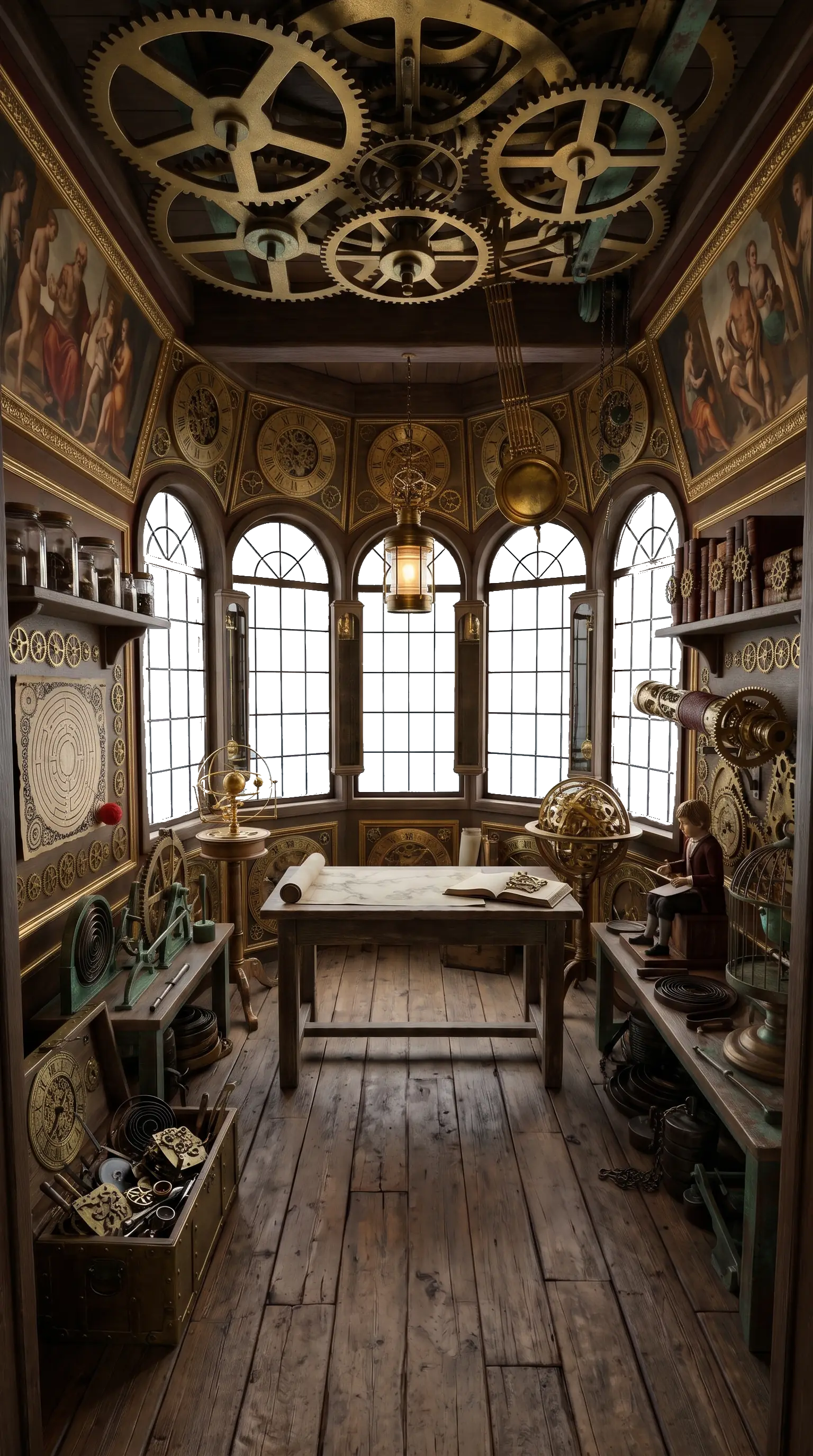
Each world and each territory has a cabin of its own, a painted room seen from its door: Technotopia’s cabin, one room for each of its eleven territories, and Terra’s cabin, the captain’s room.
 Technotopia’s cabin
 Springs and levers
 Water and wind
 Fire and heat
 Crystal germination
 Burning and mixing
 Electricity
 Magnets and held charges
 Chips and glowing diodes
 Supercold matter
 Atomic power
 Life's own machines
 Terra’s cabin
IV · An object, apart
An object, taken apart
156 objects stand on the globe; each is meant to be opened down to its parts. Here, the 1N4007 diode: a silicon chip between two wire legs, in a black plastic case about five millimetres long.
V · The door
Enter the iKaru Project
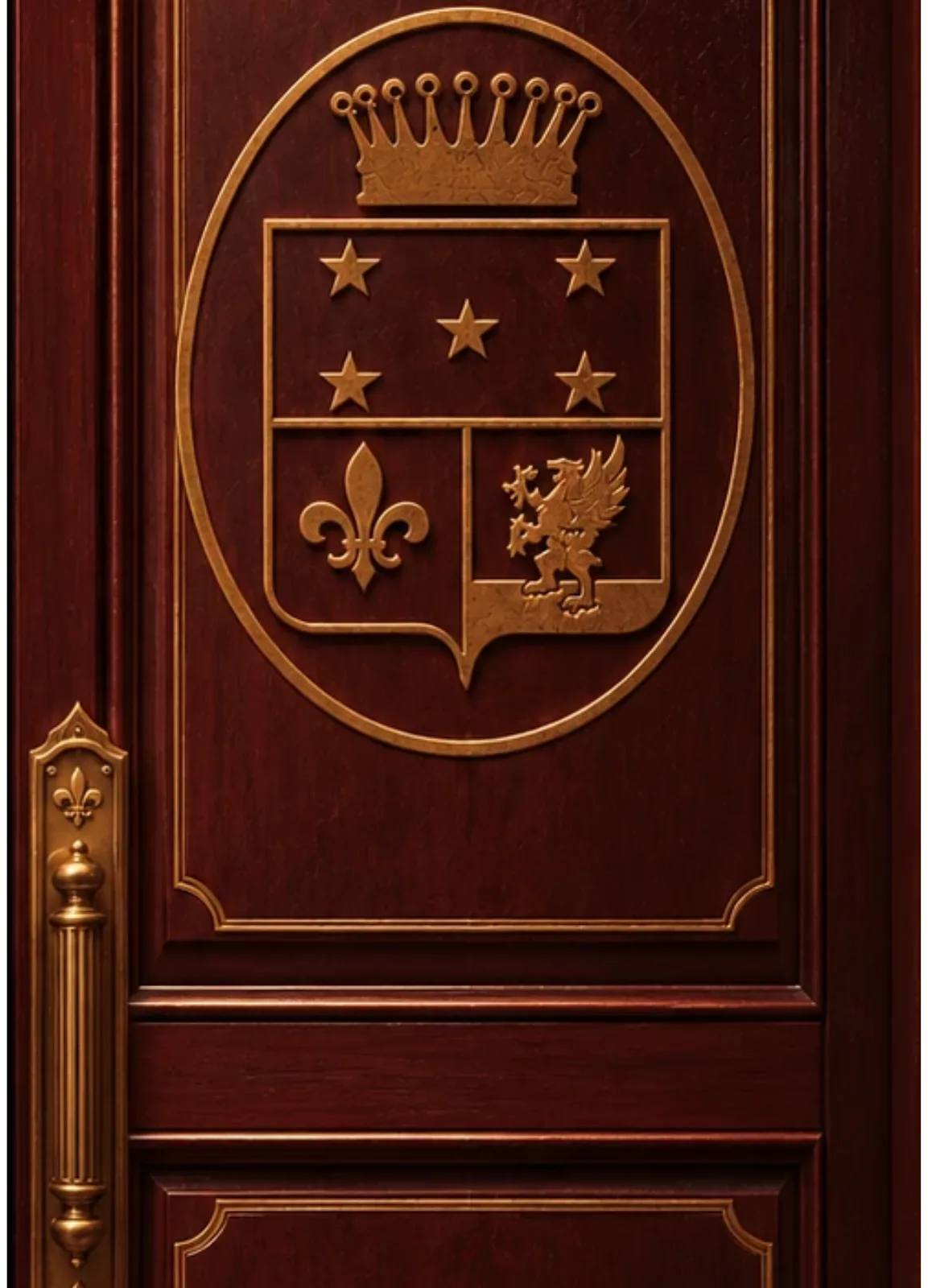
The app opens with a key and six questions of taste that bring you ashore, a citizen, on one of Technotopia’s eleven territories. The presentation page goes down the app’s four levels: the world, a territory, an object, its parts.
Enter the iKaru ProjectOpen the web edition
Research work by Ludovic Garattini, developed in his own name. Nothing here is for sale.

























































































































































Enter the iKaru ProjectOpen the web edition
Research work by Ludovic Garattini, developed in his own name. Nothing here is for sale.
The arc · artificial immanence · 2010–2026
Not what machinesare for. How theycome to be.
Western metaphysics long denied artefacts a mode of existence of their own. Artificial immanence starts from the other side: machines are individuating beings, with norms and tendencies of their own, and these should inform how they are designed and governed.
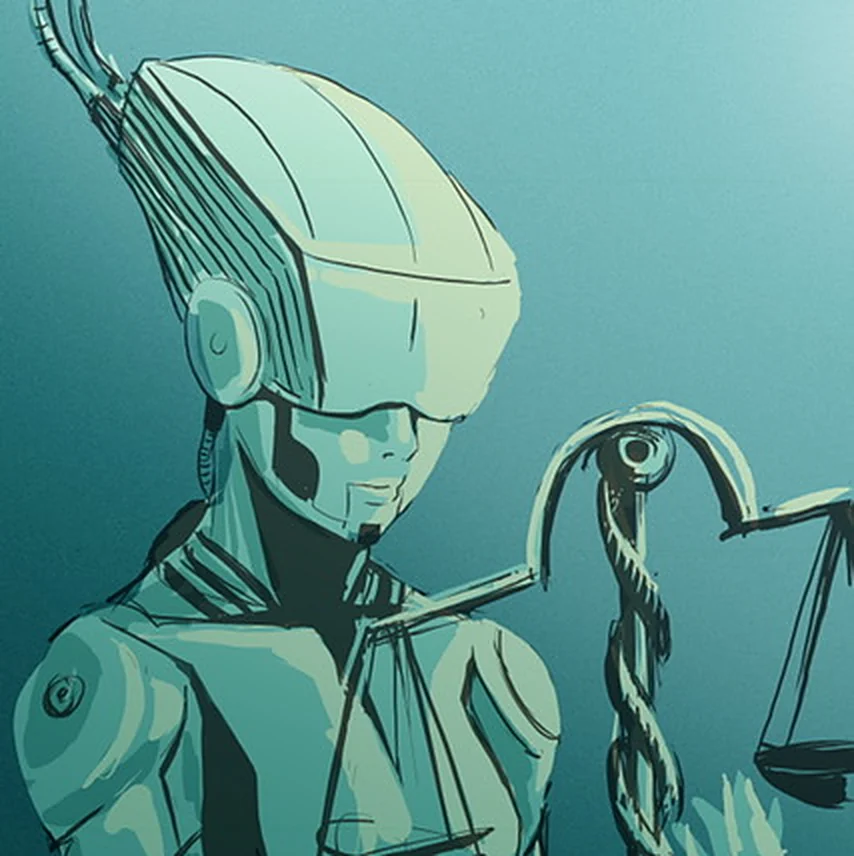
- 2010–2021 · MachinesHumanoid robots in France and Japan, and the communicational being of machines. The doctoral thesis (Université Paris Cité, 2021) moves the focus from the use value of technical objects to their modes of operation, after Simondon.
- 2022–2025 · In episodesA history of artificial beings: from the dungeons of ontology in Antiquity and the Middle Ages, through the Enlightenments and the age of machines, to modernity.
- 2025 · OperationFalse Prophets and ‘Gods Among Us’ reads technical objects at four levels (element, individual, ensemble, network): an operational ontogenesis of artificial immanence.
- 2025 · DesignThe Ecology of the Artificial turns the ontology into a design question: inchoative design, and an index read as a heuristic between symbiosis and coercion, worked through on steel, ammonia, cement and plastics.
- 2026 · GovernanceThe inchoative failure of climate governance: artificial immanence and the ontological challenge of the post-COP30 Amazon (Novos Cadernos NAEA).
I · the column
Innovation
The business side: proposal engineering for collaborative research, two formats you can commission, and a dated watch on Horizon Europe.
K · the book
Knowledge
What has been written and read: 35 items since 2010, shelved by line of work, and marginalia on the literature the work stands on.
R · the lighthouse
Research
How beginnings become infrastructure: one question followed from the being of machines to artificial immanence, inchoative design, climate governance and the formation of competences.
- Six strandsMachines, artificial immanence, inchoative design, climate, gender, competences.Why
- Four methodsNarrative circles, Science-Meets-Politics, the Bootcamp, and the family that binds them.How
- BranchesEvery line of work, back to where it branched.2010–2026
- NowUnder evaluation, just published, in writing.Sept 2026
The company
Pause.Return.Begin again.
Inkoation Research Sweden AB is a Stockholm research company. It studies how beginnings become infrastructure, and how to reopen them: how competences, professions and institutions start to take form, and what it takes to go back to the branching point and begin again.
It works in three spaces. Innovation is the commissioned work: proposal engineering, formats, a watch on Horizon Europe. Knowledge is the library the company builds on. Research is the programme under way. The company was founded by Dr Ludovic Garattini, PhD, and works in English, French and Italian, with working Swedish.